Flight Simulator Acquisition: Is It the Best Move for India?
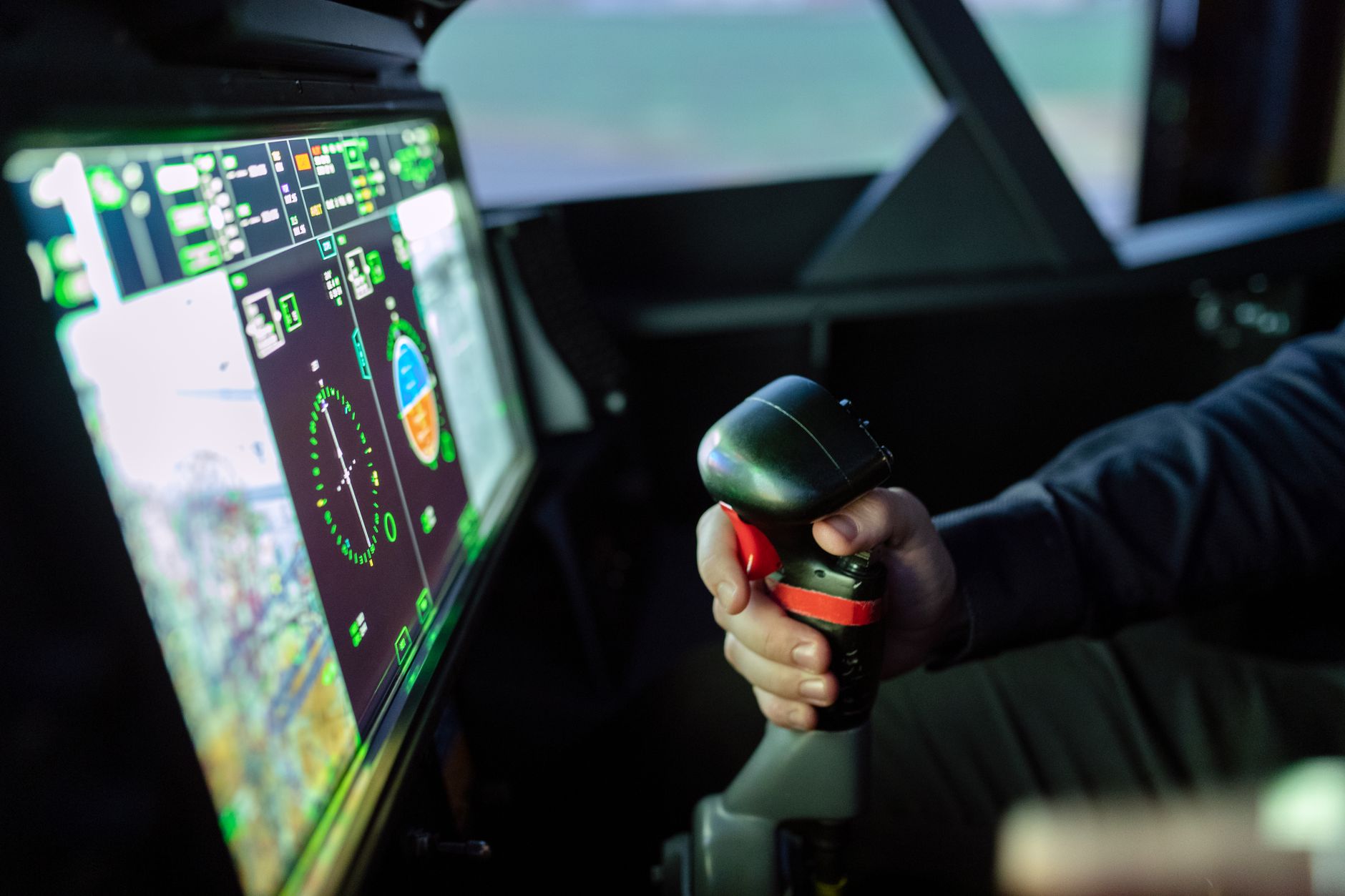
Flight Simulator Acquisition is set to enhance India’s aviation training landscape significantly. This strategic move promises to elevate the quality and efficiency of pilot training programs across the country.
Overview of Flight Simulator Acquisition
The recent Flight Simulator Acquisition marks a significant step in India’s commitment to enhancing its aviation training capabilities. This strategic move aims to address the growing demand for skilled pilots and aviation professionals in the country. The acquisition is set to support various sectors, including commercial aviation, defense, and cargo operations.
With the aviation market in India poised for rapid growth, the need for advanced training facilities has never been more pressing. The incorporation of state-of-the-art flight simulators will provide trainees with realistic flying experiences, thereby improving their preparedness for real-world challenges. The advantages of such technology include:
- Cost-effectiveness: Simulators reduce the financial burden associated with traditional flight training.
- Safety: Trainees can practice emergency procedures in a controlled environment.
- Accessibility: More individuals can access training regardless of geographical constraints.
As India continues to position itself as a global aviation hub, the Flight Simulator Acquisition is expected to play a crucial role in shaping the future of pilot training and aviation standards in the country.
Impact on India’s Aviation Sector
The recent Flight Simulator Acquisition is poised to significantly impact India’s aviation sector. As the country continues to expand its aviation capabilities, the introduction of advanced flight simulation technology is expected to enhance training programs for pilots and crew members.
One of the primary benefits of this acquisition is the ability to provide realistic training scenarios that mirror real-life flying conditions. This will not only improve the skill set of aviation professionals but also increase safety standards across the industry.
Moreover, with the growing demand for air travel in India, the Flight Simulator Acquisition allows for quicker certification of new pilots. This is crucial as the aviation market is projected to expand rapidly in the coming years.
Additionally, the investment in flight simulation technology can foster innovation within the local aviation industry, potentially leading to the development of indigenous training solutions. This could further reduce dependency on foreign training programs and promote self-sufficiency.
In conclusion, the Flight Simulator Acquisition could be a game-changer for India’s aviation sector, providing numerous advantages that contribute to its overall growth and sustainability.
Benefits of Enhanced Training Programs
The recent Flight Simulator Acquisition has opened up numerous benefits for enhanced training programs in India’s aviation sector. By integrating advanced flight simulation technology, training institutions can offer a more effective and immersive learning environment for aspiring pilots.
One significant advantage of this acquisition is the ability to conduct realistic training scenarios without the risks associated with actual flight. This not only ensures the safety of trainees but also allows instructors to replicate various emergency situations, enhancing the preparedness of pilots.
Moreover, the use of flight simulators can significantly reduce training costs. Traditional flight training requires extensive fuel and aircraft maintenance, which can be prohibitively expensive. In contrast, simulators provide a cost-effective alternative, allowing for more hours of practice at a fraction of the price.
Additionally, the flexibility of simulator training enables programs to be tailored to individual learning paces. This personalized approach can lead to better retention of skills and knowledge, ultimately producing more competent pilots.
In conclusion, the Flight Simulator Acquisition is poised to revolutionize pilot training in India, making it more efficient, safe, and accessible for future aviators.
Halldale Group’s Role in the Expansion
The recent Flight Simulator Acquisition has drawn attention to the pivotal role of the Halldale Group in the expansion of training programs within India’s aviation sector. As a leading organization specializing in simulation and training, Halldale Group has been instrumental in facilitating knowledge transfer and promoting best practices in aviation training.
Through their collaboration with Indian aviation authorities and educational institutions, Halldale Group aims to enhance the overall quality of pilot training. This partnership is expected to introduce advanced simulation technologies and methodologies that align with global standards. By leveraging their expertise, the Halldale Group will help ensure that the training programs are not only comprehensive but also tailored to meet the specific needs of the Indian aviation market.
Moreover, the group’s involvement signifies a commitment to fostering innovation and operational efficiency in aviation training. With the Flight Simulator Acquisition, they stand to provide invaluable resources that will help address the growing demand for skilled aviation professionals in India.
In summary, Halldale Group’s participation in the expansion initiative positions it as a key player in enhancing the landscape of aviation training in India.
Future of Pilot Training in India
The future of pilot training in India looks promising with the recent Flight Simulator Acquisition. This strategic move is expected to revolutionize how aspiring pilots are trained, ensuring that they meet international standards of proficiency and safety.
With the growing demand for skilled pilots in the aviation sector, the integration of advanced flight simulators presents several advantages:
- Realistic Training Environments: Modern simulators replicate real-life flying conditions, allowing trainees to experience various scenarios without the risks associated with actual flight.
- Cost-Effectiveness: Simulator training reduces the overall cost of pilot education by minimizing the need for extensive flight hours in actual aircraft.
- Accessibility: Flight simulators can be used in multiple locations, making pilot training more accessible to students across India.
- Continuous Improvement: Regular updates and advancements in simulation technology ensure that training programs remain relevant and effective.
This acquisition aligns with India’s vision of enhancing aviation training and could position the country as a leader in pilot education, ultimately benefiting both students and the industry.
Challenges Ahead for the Aviation Industry
The aviation industry in India faces several challenges that could impact the effectiveness of the Flight Simulator Acquisition. As the sector grows, issues such as infrastructure limitations, regulatory hurdles, and a shortage of skilled personnel remain significant obstacles. These challenges could hinder the full realization of the training enhancements promised by the acquisition.
One major concern is the current state of aviation infrastructure in India. Many airports are struggling to accommodate increasing air traffic, which could affect the availability of training facilities. Without adequate infrastructure, the implementation of advanced flight simulators may be delayed.
Additionally, regulatory compliance poses another difficulty. Ensuring that all training programs meet national and international standards is essential for safety and quality. This may require collaboration between various government bodies and private institutions.
Lastly, the shortage of qualified instructors could limit the effectiveness of the new training programs. As the demand for skilled pilots increases, it is crucial to invest in training not just for pilots but also for instructors who can effectively utilize the new flight simulator technology.
- Infrastructure limitations
- Regulatory hurdles
- Shortage of skilled personnel
Photo by ThisIsEngineering on Pexels