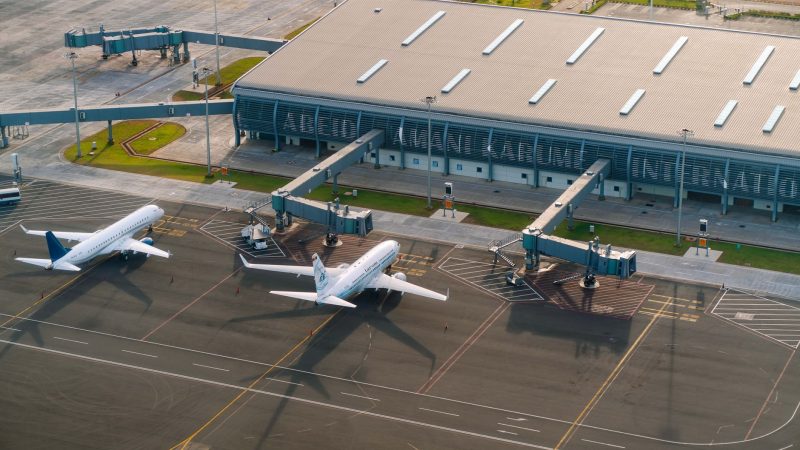
Istanbul Airport Fourth Runway: A Proven Boost for Travel
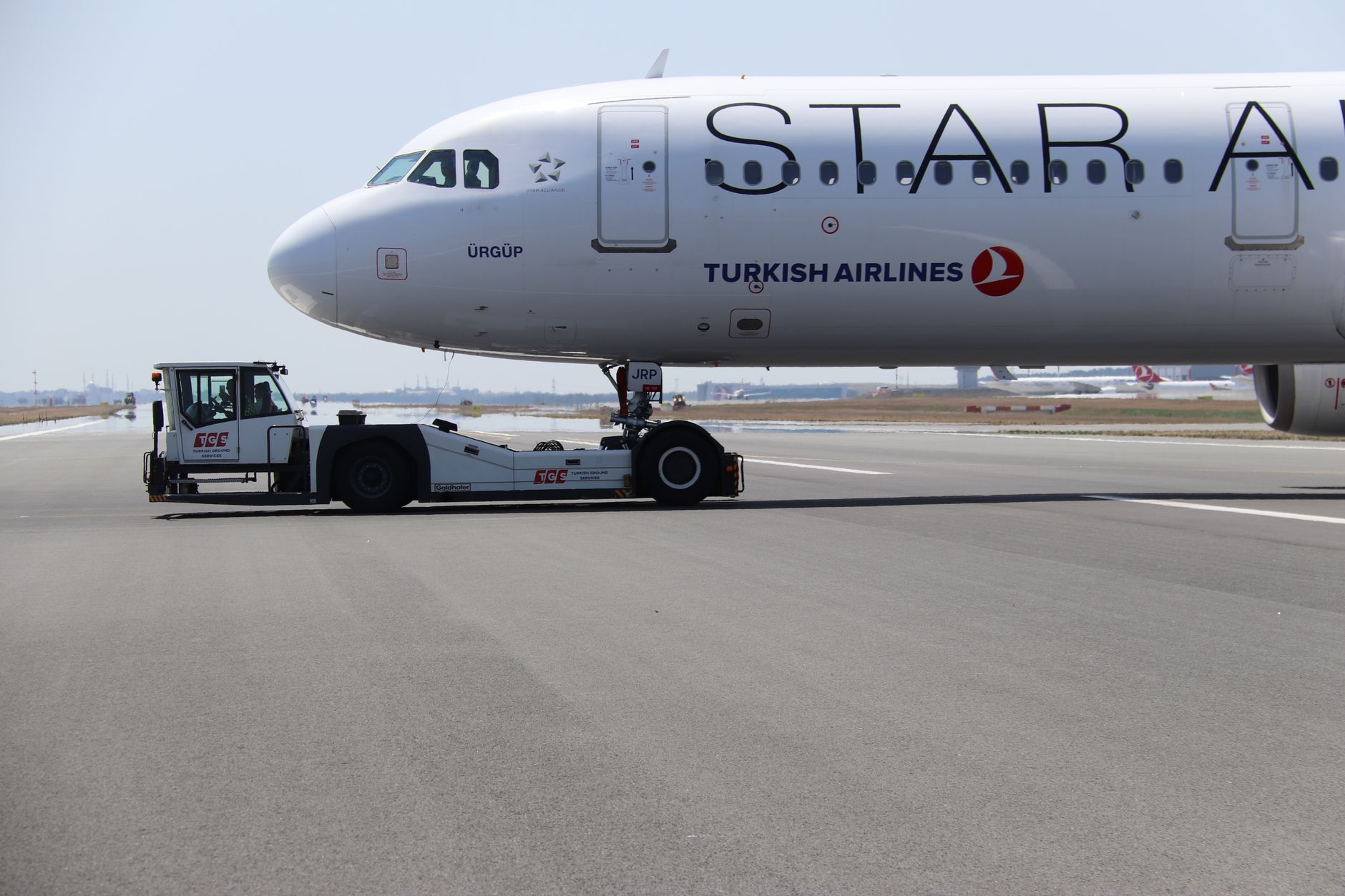
Istanbul Airport fourth runway has officially opened, promising to significantly enhance travel efficiency and capacity. This expansion marks a crucial development in the airport’s ongoing growth strategy.
Introduction to the Fourth Runway
Istanbul Airport has officially opened its fourth runway, marking a significant milestone in the expansion of one of the world’s busiest airports. This development is expected to enhance the airport’s capacity and improve its operational efficiency, providing a proven boost for travel to and from Istanbul.
The addition of the fourth runway will enable Istanbul Airport to accommodate a larger number of flights, reducing congestion and waiting times for passengers. With the airport already serving millions of travelers each year, this expansion is crucial for maintaining its status as a major aviation hub.
The new runway has been designed to meet the latest international standards, incorporating advanced technology and safety features. This commitment to excellence not only enhances the travel experience but also positions Istanbul Airport as a competitive player in the global aviation market.
- Increased Capacity: The fourth runway will allow for more simultaneous takeoffs and landings.
- Improved Efficiency: Airlines can operate more flights without delays.
- Economic Impact: Boost in tourism and job creation in the region.
As the airport continues to grow, the fourth runway represents a vital step in ensuring that it meets future demand and continues to serve as a gateway between continents.
Impact on Travel Efficiency
The opening of the Istanbul Airport fourth runway is set to significantly enhance travel efficiency for both airlines and passengers. With an increase in runway capacity, the airport can now accommodate a larger volume of flights, reducing congestion and minimizing delays.
According to industry experts, the additional runway will lead to:
- Increased Flight Frequency: Airlines will be able to schedule more flights, providing travelers with greater flexibility and options.
- Shorter Wait Times: Passengers can expect quicker boarding and deplaning processes, as more aircraft can land and take off simultaneously.
- Enhanced Operational Efficiency: Airlines will benefit from improved turnaround times, allowing for better resource management and optimized scheduling.
- Environmental Benefits: With a more efficient flight schedule, reduced fuel consumption and lower emissions are expected, contributing to sustainability efforts.
As a major hub connecting continents, Istanbul Airport’s ability to handle increased traffic is crucial. The fourth runway not only supports the growing demand for air travel but also establishes Istanbul Airport as a leader in global aviation. Overall, the addition of this runway promises to transform the travel experience, making it smoother and more efficient for everyone involved.
Economic Benefits of Expansion
The expansion of Istanbul Airport with the addition of a fourth runway is expected to yield significant economic benefits for the region and beyond. This new infrastructure will not only enhance the airport’s capacity but also stimulate various sectors of the economy.
One of the primary advantages of the Istanbul Airport fourth runway is its potential to attract more airlines and international flights. As the airport becomes more capable of handling increased air traffic, it can serve as a key hub for global travel, allowing for greater connectivity between Europe, Asia, and beyond.
As more travelers pass through the airport, local businesses stand to gain substantially. This influx of visitors can lead to:
- Increased tourism: More flights mean more tourists, which can significantly boost local hotels, restaurants, and attractions.
- Job creation: The expansion will likely create numerous jobs in the aviation and hospitality sectors, providing employment opportunities for locals.
- Infrastructure development: Enhanced airport facilities may lead to improvements in surrounding infrastructure, benefiting residents and businesses alike.
Overall, the economic impact of the fourth runway at Istanbul Airport is poised to be transformative, not just for the airport itself but also for the broader Turkish economy.
Environmental Considerations
The expansion of Istanbul Airport with the addition of a fourth runway has sparked discussions regarding its environmental impact. While the increased capacity is set to enhance travel efficiency, it also raises concerns about sustainability and ecological preservation.
Environmental considerations are paramount in any large-scale infrastructure project. The construction and operation of the fourth runway necessitate a thorough assessment of potential effects on local ecosystems and wildlife. Although the airport’s management, iGA, has pledged to implement eco-friendly practices, critics urge for more transparency and accountability.
Key factors to consider include:
- Air Quality: Increased air traffic could lead to higher levels of emissions. Monitoring systems will be essential to ensure compliance with air quality standards.
- Noise Pollution: The expansion may result in increased noise levels for nearby communities. Mitigation measures, such as sound barriers, are crucial.
- Water Management: Construction activities might disrupt local water sources. Proper drainage systems and sustainable water management practices are needed.
In response to these challenges, iGA has committed to a comprehensive environmental management plan that aims to minimize the adverse effects associated with the new runway. The balance between growth and sustainability will be pivotal in shaping the future of Istanbul Airport and its role in global travel.
Future Plans for Istanbul Airport
As Istanbul Airport continues to expand its capabilities, future plans are set to further enhance its status as a global aviation hub. The addition of the fourth runway marks a significant milestone, but it is just one part of a larger vision aimed at increasing operational efficiency and passenger experience.
Key future initiatives include:
- Terminal Expansion: Plans are underway to expand the existing terminal facilities, accommodating an increasing number of passengers and improving services.
- Technological Upgrades: Implementation of state-of-the-art technology for check-in and boarding processes to minimize wait times and streamline operations.
- Transportation Links: Enhancements to public transport connections, including additional metro lines and shuttle services, will facilitate easier access to the airport.
- Sustainability Efforts: Continued focus on environmentally friendly practices, including waste reduction and energy-efficient systems, to align with global sustainability goals.
The fourth runway not only supports current travel demands but also positions Istanbul Airport for future growth, ensuring it remains competitive on the international stage. With these comprehensive future plans, the airport is poised to accommodate an ever-growing passenger base while maintaining high standards of service and sustainability.
Comparing with Other Major Airports
As Istanbul Airport continues to evolve with the addition of its fourth runway, comparisons with other major airports around the globe become essential to understand its significance. Major airports such as Heathrow, Hartsfield-Jackson Atlanta, and Changi have been pivotal in setting benchmarks for efficiency and capacity.
Heathrow Airport, for instance, operates with a limited number of runways, often leading to congestion and delays. In contrast, Istanbul Airport’s fourth runway is expected to significantly alleviate such issues, allowing for smoother operations and enhanced passenger experience. Similarly, Hartsfield-Jackson Atlanta, often regarded as the busiest airport in the world, has managed to maintain efficiency through multiple runways, a strategy that Istanbul is now embracing.
Changi Airport in Singapore is another prime example, known for its advanced infrastructure and high passenger satisfaction. The introduction of the fourth runway at Istanbul Airport positions it to compete more effectively with these international leaders, ensuring that it meets growing travel demands without compromising service quality.
Moreover, with the expansion, Istanbul Airport is on track to become a primary hub connecting Europe, Asia, and beyond. This strategic location, combined with the operational enhancements brought by the fourth runway, solidifies its role in the global aviation landscape.
Passenger Experience Improvements
The opening of the Istanbul Airport fourth runway has significantly enhanced the passenger experience, offering a smoother and more efficient journey through one of the world’s busiest airports. With the addition of this new runway, travelers can expect shorter wait times and increased flight reliability, which is essential for both leisure and business travelers.
One of the most notable improvements includes:
- Streamlined Check-In Processes: The expansion has allowed for more check-in counters and automated kiosks, reducing the time passengers spend waiting to drop off their luggage.
- Enhanced Boarding Procedures: With additional gates available, boarding now occurs more swiftly, minimizing delays and ensuring that flights depart closer to their scheduled times.
- Better Connectivity: The fourth runway facilitates more direct flights to various global destinations, making it easier for passengers to reach their final destinations without unnecessary layovers.
In addition to these operational improvements, the airport has invested in upgrading its facilities. Passengers can enjoy a wider range of shopping and dining options, as well as improved lounges that offer a comfortable and relaxing environment while waiting for flights.
Overall, the Istanbul Airport fourth runway is not just a structural enhancement; it represents a commitment to providing an exceptional travel experience for all who pass through its gates.
Conclusion and Outlook
In conclusion, the introduction of the Istanbul Airport fourth runway marks a significant milestone in the evolution of air travel in Turkey and beyond. As the airport continues to enhance its capacity and efficiency, travelers can expect shorter wait times and improved connectivity. This expansion not only facilitates an increase in passenger traffic but also strengthens Istanbul’s position as a pivotal global aviation hub.
The economic implications are profound. By accommodating more flights, the fourth runway is set to boost tourism, create jobs, and stimulate local businesses. The airport’s growth is aligned with Turkey’s vision of becoming a leading player in international travel, contributing to both national and regional economies.
However, the environmental considerations raised during the planning stages must remain at the forefront as operations expand. The commitment to sustainable practices will be essential in mitigating the ecological impact of increased air traffic.
Looking ahead, as Istanbul Airport continues to evolve, the airport management aims to integrate innovative technologies and improve passenger experience further. The fourth runway is just the beginning of a broader strategy to enhance travel efficiency while maintaining a focus on sustainability and customer satisfaction.
Ultimately, the successful implementation of the fourth runway represents a promising future for Istanbul Airport, setting a standard for airports globally in the face of increasing air travel demands.
The Istanbul Airport fourth runway has significantly increased the airport’s capacity, allowing for more flights to accommodate the growing demand for air travel. As a result, the Istanbul Airport fourth runway is expected to enhance the overall travel experience for passengers worldwide.
Photo by Mustafa Eratilmis on Pexels
Where this came from
Related stories
Flight Simulator Acquisition: Is It the Best Move for India? · Dubai Theme Parks Reopening: Is It Safe and Worth Visiting? · Greece Golden Visa: The Best Proven Options for Freedom