Visa access Africa: Is it the best solution for tensions?
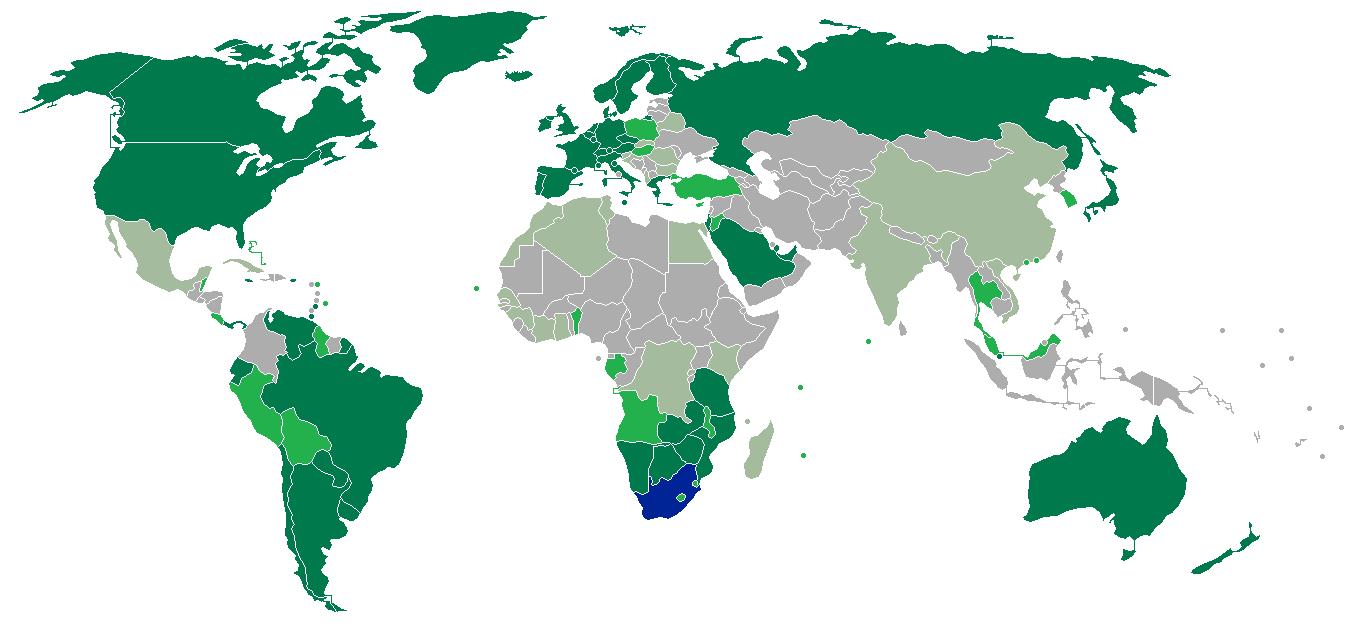
visa access Africa has recently been granted, reigniting discussions about its implications for international relations.
Understanding Visa Access in Africa
Visa access in Africa has emerged as a critical point of discussion, especially in the context of international relations. The recent developments surrounding visa policies highlight the intricate balance between fostering economic growth and managing geopolitical tensions. As one of Africa’s most visited countries, the nation’s visa access decisions can significantly impact its diplomatic relationships.
Historically, visa policies have been a tool for countries to control the flow of visitors and manage foreign influence. In recent years, there has been a push for greater visa access in Africa to support tourism and trade, particularly from key global players like China and the United States. This has raised questions about the implications of such access on local economies and international partnerships.
Some of the key considerations surrounding visa access in Africa include:
- Economic Impact: Enhanced visa access can lead to increased tourism and investment, benefiting local businesses.
- Security Concerns: Countries must weigh the benefits of access against potential security risks associated with allowing foreign visitors.
- Geopolitical Tensions: The dynamics between nations, especially between China and the US, can complicate decisions regarding visa policies.
In conclusion, the ongoing discussions about visa access in Africa reflect a broader narrative of balancing opportunity with caution in a rapidly changing global landscape.
Impact of Visa Policies on China-US Relations
The evolving visa access policies in Africa are having a significant impact on the diplomatic relationship between China and the United States. As nations on the continent reassess their visa frameworks, they are inadvertently influencing the geopolitical landscape, particularly concerning these two global powers.
China has been a major investor in various African countries, with vast economic interests that span infrastructure, mining, and agriculture. Meanwhile, the United States has sought to counter China’s influence through diplomatic engagements and aid programs. The recent changes in visa access Africa offers could either exacerbate tensions or facilitate collaboration between these nations.
Some key factors contributing to this complex dynamic include:
- Increased Trade Relations: Enhanced visa policies may encourage more business exchanges, leading to greater economic interdependence.
- Strategic Alliances: Countries may align with either China or the US based on their visa policies, affecting regional stability.
- Public Sentiment: Local perceptions of foreign influence can sway visa policies, impacting bilateral relationships.
As Africa navigates its position on the global stage, the implications of visa access will be critical. The ability to balance diplomatic relations while fostering regional development may determine whether tensions between China and the US escalate or ease in the coming years.
Historical Context of Visa Access
The historical context of visa access in Africa reveals a complex interplay of diplomatic relations, economic interests, and regional stability. Over the years, visa policies have significantly influenced the movement of people and goods across the continent, shaping the dynamics between African nations and external powers, including China and the United States.
Historically, many African countries implemented strict visa requirements as a means of regulating immigration and ensuring national security. However, these policies often hindered tourism, trade, and economic partnerships. In recent years, several African nations have reconsidered their visa access policies to foster greater collaboration and attract investment.
For instance, the introduction of more lenient visa regulations has been a strategic response to the growing influence of China in Africa. Countries have sought to balance their relationships with both China and the US by creating more accessible visa frameworks, thus facilitating cultural exchange and business opportunities.
This shift towards improved visa access is seen as a potential solution to existing tensions, as it promotes dialogue and cooperation between nations. Visa access Africa aims to enhance connectivity and economic collaboration, potentially easing geopolitical frictions. By understanding the historical context of these policies, observers can better grasp how current visa access initiatives may serve as a means to address tensions between global powers operating on the continent.
Current Visa Regulations in Africa
Current visa regulations in Africa vary significantly across the continent, reflecting a complex interplay of political, economic, and social factors. Many African nations have adopted strict visa policies, which can hinder travel and trade. These regulations are often influenced by historical ties, security concerns, and diplomatic relations.
In some cases, countries with robust economies, like South Africa and Kenya, have implemented more lenient visa access policies, aiming to attract tourists and investors. Conversely, nations facing political instability or security threats tend to enforce tighter visa controls. This inconsistency creates a patchwork of visa requirements that can complicate travel and hinder regional integration.
For example, the introduction of e-visas in certain countries has offered a glimmer of hope for easier access, yet many still require lengthy processes that deter potential visitors. Moreover, the recent development concerning visa access Africa has sparked discussions about the implications for international relations, particularly between superpowers like China and the United States.
Stakeholders argue that reforming visa access could ease tensions by facilitating dialogue and cooperation. As nations assess their visa policies, the potential for a more unified approach may emerge, fostering better relationships both regionally and globally. The focus on improving visa access could pave the way for enhanced tourism, investment, and collaboration across Africa.
Future Outlook for Visa Access
The future outlook for visa access in Africa remains a crucial topic, especially in the context of international relations. With the recent developments in visa policies, there is a potential for improved cooperation between African nations and foreign powers, including the United States and China. The evolving landscape of visa access Africa presents opportunities for enhanced trade, tourism, and diplomatic relations.
As Africa continues to position itself as a vital player on the global stage, the implications of these changes could be profound. Key factors influencing this future include:
- Economic Growth: Streamlined visa access can significantly bolster economic growth by attracting foreign investors and tourists.
- Regional Integration: Enhanced visa policies may facilitate regional travel and cooperation, fostering unity among African countries.
- Geopolitical Tensions: The balance between the interests of China and the US in Africa will impact how visa access is perceived and implemented.
- Technology and Innovation: Digital visa solutions could simplify the application process, making it more accessible for travelers worldwide.
Ultimately, the approach to visa access in Africa will need to be carefully managed to ensure that it addresses both local needs and international relations effectively. As nations navigate these complexities, the long-term success of visa access initiatives will depend on collaboration and strategic policymaking.
As discussions continue about the role of visa access Africa plays in alleviating regional tensions, many experts argue that improved mobility could foster better diplomatic relations. Furthermore, the potential economic benefits linked to enhanced visa access Africa may serve as a catalyst for collaboration among nations.
By Gorden Cheng via Openverse
Where this came from
Kuwait International Airport: Is it Open Today? Quick Update · voco Nairobi Airport Suites: The Best New Hotel in East Africa · Kadapa Airport terminal review: Best progress updates revealed