Mumbai Airport flight cuts: What’s the real issue?
Mumbai Airport flight cuts have sparked a significant dispute between airlines and airport authorities. This ongoing conflict raises questions about the impact on travelers and the airline industry.
Understanding the Dispute
The recent conflict between airlines and Mumbai Airport has raised significant concerns regarding operational efficiency and passenger convenience. Mumbai Airport flight cuts have become a contentious issue, as both parties struggle to find common ground. The airport authority cites capacity constraints as the primary reason for implementing these cuts, arguing that they are necessary to maintain safety and operational standards.
In contrast, the airlines argue that these reductions are detrimental to their business models and passenger service. They claim that the abrupt cuts will lead to increased ticket prices, reduced flight options, and a negative impact on the overall travel experience. Key stakeholders in the aviation sector are calling for a collaborative approach to address the underlying issues.
Several factors contribute to the ongoing dispute:
- Capacity Limitations: The airport has reached its operational limits, prompting management to impose restrictions on flight schedules.
- Regulatory Compliance: Airlines face challenges in complying with new regulations aimed at ensuring safety and efficiency.
- Financial Implications: The economic impact of flight cuts could have lasting effects on both airlines and travelers.
As discussions continue, it remains to be seen how both sides will navigate this complex situation to ensure the best outcomes for all parties involved.
Impact on Travelers
The recent flight cuts at Mumbai Airport have left many travelers in a state of uncertainty and frustration. With airlines reducing their schedules, passengers are experiencing significant disruptions to their travel plans.
One of the most immediate impacts is the increase in flight cancellations, which has created chaos at the airport. Travelers are finding it difficult to secure alternate flights, leading to longer wait times and overcrowding in terminals. Many passengers are reporting that they have had to reschedule important commitments due to the lack of available flights.
Additionally, the sudden changes in flight availability are forcing travelers to adjust their budgets. Increased fares for the remaining flights, coupled with unexpected accommodation costs, are putting additional financial strain on those impacted by the cuts.
Moreover, frequent flyers are expressing concerns over the reliability of airlines operating in and out of Mumbai Airport. This situation has prompted some passengers to consider alternate travel options, including different airports or modes of transportation.
As the dispute between airport authorities and airlines continues, the long-term effects on air travel in Mumbai could be significant. For now, travelers are left navigating a complex and challenging environment as they plan their journeys amidst the ongoing flight cuts.
Airlines’ Perspective
The current situation surrounding the Mumbai Airport flight cuts has sparked significant concern among airlines. Many carriers are expressing frustration over the restrictions imposed on their operations. They argue that these cuts not only affect their profitability but also the overall connectivity of the region.
Airlines have highlighted several key points regarding the issue:
- Operational Limitations: The imposed flight cuts have led to reduced schedules, forcing airlines to cancel or reschedule flights, which disrupts passenger plans.
- Increased Costs: With fewer flights available, airlines face higher operational costs per route, making it difficult to maintain competitive pricing.
- Market Demand: Many airlines contend that the demand for travel from Mumbai remains strong, suggesting that limiting flights is counterproductive.
- Regulatory Challenges: Airlines are calling for clearer communication and transparency from airport authorities regarding the reasons behind these flight cuts.
Additionally, carriers are advocating for collaborative discussions with airport management to seek solutions that benefit both the airlines and travelers. The hope is to find a middle ground that ensures safety and operational efficiency while maintaining the flow of air traffic in and out of Mumbai.
Airport Authority’s Stance
The Airport Authority of India (AAI) has taken a firm stance regarding the recent flight cuts at Mumbai Airport. According to AAI officials, the decision was made to enhance safety and ensure effective operations amidst growing traffic congestion. They argue that the cuts are necessary to maintain optimal runway capacity and to mitigate potential delays that could affect both passengers and airlines.
In a statement, an AAI spokesperson emphasized, “Our primary responsibility is to ensure safe and efficient flight operations. The recent cuts are a proactive measure to manage the increasing number of flights while adhering to safety protocols.” The authority has also highlighted that these measures are consistent with the regulations set forth by the Directorate General of Civil Aviation (DGCA).
However, the AAI’s position has not been without controversy. Airlines have expressed frustration over the cuts, claiming they undermine operational plans and economic viability. Many airline executives have called for a more collaborative approach to address the underlying issues at Mumbai Airport.
Despite the contention, the AAI remains resolute. They believe that the flight cuts are an integral step towards ensuring the long-term sustainability of airport operations in one of India’s busiest travel hubs.
Historical Context of Flight Cuts
The ongoing dispute over Mumbai Airport flight cuts is rooted in a complex historical context that dates back several years. The Mumbai Airport, officially known as Chhatrapati Shivaji Maharaj International Airport, has faced numerous operational challenges, particularly with its capacity to handle increasing passenger traffic.
In the early 2000s, the airport was already operating beyond its intended capacity. As air travel demand surged, the airport struggled to keep up, leading to a series of operational adjustments and flight cuts. These flight reductions were initially seen as necessary measures to improve service quality and manage congestion.
However, over time, these adjustments have sparked conflict between airlines and the Airport Authority of India (AAI). Airlines argue that the cuts have severely impacted their operations and profitability. They contend that the AAI has failed to adequately invest in infrastructure upgrades, which would alleviate the need for such drastic measures.
Meanwhile, the AAI maintains that the flight cuts are essential for maintaining safety and efficiency at the airport. This ongoing situation has led to a strained relationship between stakeholders, further complicating the issue. As the demand for air travel continues to rise, both the airlines and the airport must find a sustainable solution to balance operational capacity and passenger needs.
Future of Mumbai Airport Operations
The future of Mumbai Airport operations hangs in a delicate balance as stakeholders navigate the ongoing dispute over flight cuts. The recent tensions have raised questions about the sustainability of air travel in one of India’s busiest hubs. As airlines and the Airport Authority of India (AAI) seek to resolve their differences, the implications for future operations remain uncertain.
One of the primary concerns is the impact of these flight cuts on passenger demand. With the resurgence of travel post-pandemic, many expect an increase in air traffic. However, if airlines continue to face restrictions, it may lead to a decline in service quality and options for travelers.
Moreover, the airport’s infrastructure must be equipped to handle growing passenger numbers. Issues such as runway capacity and terminal congestion could exacerbate the situation if not addressed promptly. Stakeholders emphasize the need for a collaborative approach to ensure that Mumbai Airport remains competitive in the region.
In light of these challenges, the AAI has proposed various measures to optimize operations while maintaining safety and efficiency. However, airlines argue that these measures may not be sufficient to counterbalance the ongoing flight cuts. The resolution of this dispute will ultimately shape the future landscape of Mumbai Airport operations.
- Optimizing Operations: Collaborative measures needed.
- Infrastructure Capacity: Must accommodate rising demand.
- Impact on Services: Potential decline in quality and options.
Potential Resolutions
As the situation regarding the Mumbai Airport flight cuts continues to develop, various stakeholders are exploring potential resolutions to mitigate the ongoing disputes. Addressing the issue requires a multifaceted approach that considers the interests of airlines, passengers, and the airport authority.
- Collaborative Planning: Engaging in a series of workshops and discussions between airlines and airport management could foster a collaborative environment. This dialogue may lead to a more efficient scheduling framework that accommodates the needs of both parties.
- Investing in Infrastructure: Enhancements to airport infrastructure, such as expanding runway capacity or improving terminal facilities, could alleviate congestion and allow for more flights to operate smoothly.
- Implementing Technology: Leveraging technology to optimize flight management systems may help in better tracking and scheduling of flights, thereby reducing the frequency of cuts.
- Passenger Compensation: To address the negative impact on travelers, airlines could develop compensation policies that offer affected passengers alternatives or refunds, which may improve customer satisfaction even amidst operational challenges.
- Regulatory Oversight: Increased oversight from aviation authorities may ensure that flight cuts are made transparently and equitably, protecting both airline interests and passenger rights.
Ultimately, fostering a cooperative relationship between the airport and airlines is essential to navigate the complexities of the Mumbai Airport flight cuts and enhance overall air travel experience.
The recent Mumbai Airport flight cuts have raised concerns among frequent travelers regarding connectivity. Many are questioning the reasons behind the Mumbai Airport flight cuts and their impact on the local economy.
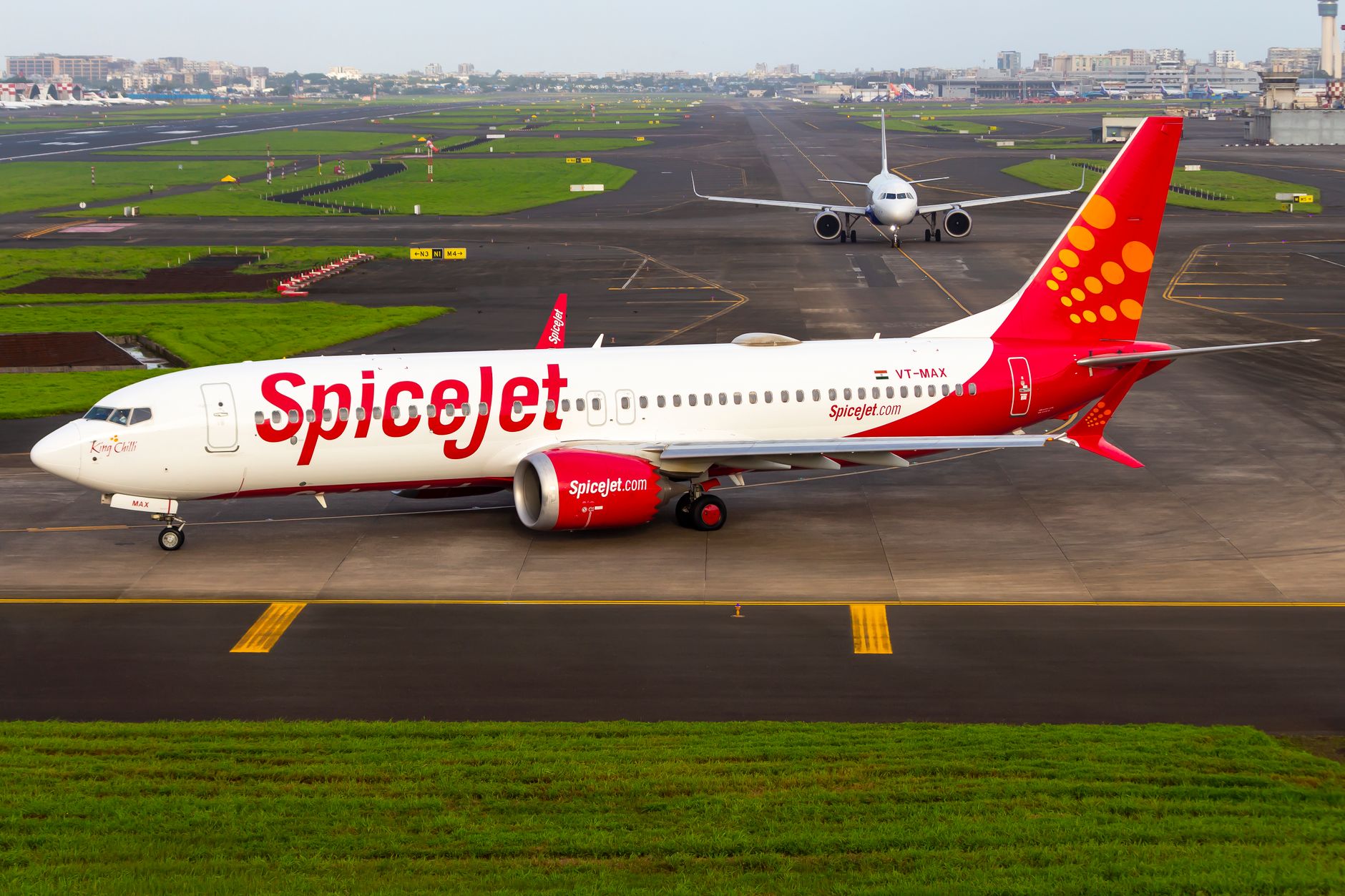
Photo by Janam Parikh on Pexels