Whale Shark Watching: Best Proven Tips for Tourists
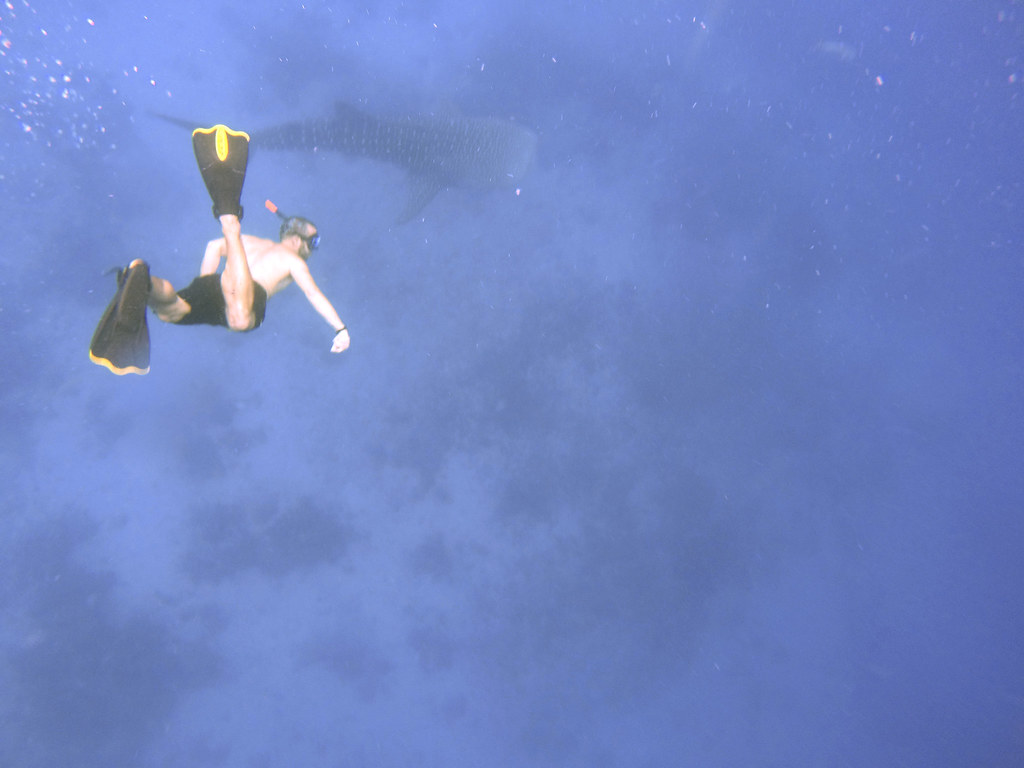
whale shark watching is set to reopen in Bohol this November, aiming to boost tourism and attract nature enthusiasts from around the globe.
Overview of Whale Shark Watching
Whale shark watching has become a popular activity for tourists seeking unique marine experiences. These gentle giants, known for their impressive size and docile nature, attract visitors from around the globe. In Bohol, the reopening of whale shark watching in November is expected to rejuvenate the local tourism industry, providing an opportunity for travelers to engage with these magnificent creatures responsibly.
Tourists eager to participate in whale shark watching should keep several tips in mind:
- Choose a responsible tour operator: Select companies that prioritize the well-being of the whale sharks and adhere to sustainable practices.
- Respect the marine environment: Avoid touching or feeding the sharks, as this can disrupt their natural behavior.
- Be mindful of safety: Always wear a life jacket and follow the guidelines provided by your tour guide.
- Capture memories responsibly: Use underwater cameras to document your experience without disturbing the wildlife.
By following these guidelines, tourists can ensure a safe and enjoyable whale shark watching experience while contributing to conservation efforts.
What to Expect During Your Visit
During your visit for whale shark watching, you can anticipate an unforgettable experience in the azure waters of Bohol. These gentle giants, known for their impressive size and docile nature, attract tourists from around the world.
When you arrive, expect a brief orientation provided by your tour guide. This session will cover essential safety protocols and guidelines to ensure both your safety and the well-being of the whale sharks.
As you embark on your boat, the excitement builds. Keep your eyes peeled for the telltale signs of whale sharks swimming gracefully beneath the surface. The best time for whale shark watching is typically early in the morning when the waters are calm and visibility is at its peak.
While in the water, remember to respect the marine environment. Maintain a safe distance and avoid any actions that might disturb these magnificent creatures. With patience and a sense of wonder, you are sure to have a memorable encounter with the world’s largest fish.
Whale Shark Watching: Tips for a Safe Experience
Whale shark watching can be an unforgettable experience, but safety should always be a priority. Here are some essential tips for a safe and enjoyable outing:
- Choose a reputable tour operator: Research and select a company known for its commitment to conservation and safety.
- Follow guidelines: Always adhere to the instructions provided by your guides, especially regarding distance and interaction with the sharks.
- Wear appropriate gear: Use eco-friendly sunscreen and wear a wetsuit to protect both your skin and the marine environment.
- Stay calm and respectful: Avoid splashing or making loud noises, as this can disturb the whale sharks.
- Keep a safe distance: Observe the whale sharks from a respectful distance to ensure their well-being and your safety.
By following these tips, you can enjoy a thrilling whale shark watching experience while helping to protect these magnificent creatures.
Best Time to Visit Bohol for Whale Sharks
The best time to visit Bohol for whale shark watching is typically from November to June. During these months, the waters are clearer, and the chances of spotting these gentle giants increase significantly.
Tourists are encouraged to plan their trips around this period to maximize their experience. The peak season for whale shark watching often coincides with the dry season, making it an ideal time for outdoor activities. Visitors should keep in mind that whale sharks are more active during certain times of the day, particularly in the early morning or late afternoon.
In addition to whale shark watching, Bohol offers a variety of other attractions and activities. Consider planning a comprehensive itinerary that includes:
- Visiting the famous Chocolate Hills
- Exploring the Tarsier Sanctuary
- Enjoying the beautiful beaches
By timing your visit right and incorporating other activities, you can make the most of your whale shark watching adventure in Bohol.
Local Regulations for Whale Shark Tours
When participating in whale shark watching tours, it is essential to be aware of local regulations that protect these magnificent creatures and their habitats. Adhering to these guidelines ensures not only the safety of the whale sharks but also a sustainable experience for tourists.
Some key regulations to keep in mind include:
- No touching: Tourists are prohibited from touching or swimming too close to the whale sharks to minimize stress on the animals.
- Distance requirements: Boats must maintain a safe distance from the whale sharks, typically around 5-10 meters, to ensure their well-being.
- Limited interaction: Tourists should limit their time in the water with the whale sharks to avoid overwhelming them.
- Certified guides: It is mandatory to go on guided tours led by certified operators who are trained in responsible whale shark watching.
By following these local regulations, tourists can enjoy a memorable whale shark watching experience while contributing to the conservation of these gentle giants.
How Whale Shark Watching Supports Conservation
Whale shark watching not only offers breathtaking experiences for tourists but also plays a crucial role in marine conservation efforts. By participating in these tours, visitors directly contribute to the protection of these gentle giants and their habitats.
Many tour operators in Bohol participate in sustainable practices that prioritize the well-being of whale sharks. These practices include:
- Education: Tour guides educate tourists about the importance of whale sharks in the marine ecosystem.
- Regulated Tours: Strict guidelines are enforced to minimize human impact on the animals and their environment.
- Funding Conservation: A portion of the tour fees often goes towards local conservation initiatives and habitat restoration projects.
By supporting local economies through whale shark watching, tourists help foster a sense of stewardship among communities. This economic incentive encourages locals to protect their natural resources, ensuring that future generations can continue to enjoy the wonders of these magnificent creatures.
By Francesco Supertramp via Openverse