Delhi airport expansion: Worth a Smart Investment
Delhi airport expansion is set to include a ₹7,000 crore investment, aiming to enhance connectivity and passenger experience by 2030.
Overview of the Delhi Airport Expansion
The Delhi airport expansion is set to transform the aviation landscape in India, with plans for a significant investment of ₹7,000 crore. This ambitious project aims to enhance the airport’s infrastructure and capacity, catering to the growing demand for air travel in the region.
Key features of the expansion include:
- Increased Capacity: The initiative will allow the airport to accommodate a higher volume of passengers annually.
- Advanced Connectivity: A new 7.3-km Automated People Mover (APM) link is planned, which will streamline transit between terminals.
- Sustainability Initiatives: The expansion will incorporate eco-friendly technologies to reduce environmental impact.
The Delhi airport expansion is not just an infrastructural upgrade but a strategic move to position India as a global aviation hub. As air travel continues to rebound, this investment is poised to yield significant returns, making it a smart investment for stakeholders involved.
Investment Details and Financial Implications
The ambitious Delhi airport expansion project, which is projected to cost ₹7,000 crore, aims to significantly enhance the airport’s capacity and efficiency. This investment is expected to yield substantial financial implications for stakeholders in the aviation sector.
Key aspects of the investment include:
- Infrastructure Development: The expansion will introduce a 7.3-km Airport People Mover (APM) link by 2030, streamlining passenger movement and reducing congestion.
- Increased Capacity: The project aims to accommodate a significant rise in passenger traffic, which is projected to double in the coming years.
- Job Creation: The expansion is also set to generate numerous jobs, both during the construction phase and in ongoing airport operations.
- Economic Growth: Enhanced facilities are likely to stimulate local businesses and attract international travelers, contributing to the overall economy.
Investing in the Delhi airport expansion is seen as a strategic move, promising substantial returns as the demand for air travel continues to rise.
Timeline for Project Completion
The timeline for the completion of the Delhi airport expansion project is ambitious yet strategically planned. The expansion aims to enhance the airport’s capacity and operational efficiency by 2030.
Key milestones in the project timeline include:
- 2024: Completion of initial groundwork and preliminary infrastructure improvements to support the expansion.
- 2026: Expected completion of the 7.3-km Automated People Mover (APM) link, which will provide seamless connectivity between terminals.
- 2028: Major construction phases will conclude, focusing on runway enhancements and terminal upgrades.
- 2030: Full operational capability of the expanded facilities, aiming to accommodate increased passenger traffic and improve overall experience.
This timeline reflects a calculated approach to the Delhi airport expansion, ensuring that investments align with growing demand and international standards. Stakeholders remain optimistic about the transformative potential of this expansion, positioning the airport as a leading hub in the region.
Impact on Passenger Experience
The ongoing Delhi airport expansion is set to significantly enhance the passenger experience, making it a vital improvement for travelers. With the advanced infrastructure plans, passengers can expect a more efficient and comfortable journey through the airport.
Key features of the expansion include:
- Increased Capacity: The airport will accommodate a larger number of passengers, reducing congestion during peak hours.
- Enhanced Amenities: New lounges, shopping areas, and dining options will be introduced, elevating the overall airport experience.
- Improved Connectivity: The addition of a 7.3-km Automated People Mover (APM) will facilitate seamless transportation between terminals and other transport hubs.
- Technology Integration: The incorporation of smart technologies will streamline check-in and security processes, minimizing wait times.
As the expansion progresses toward its completion by 2030, travelers can look forward to a more modern and user-friendly airport, affirming the Delhi airport expansion as a worthy investment in the future of air travel in India.
Future of Air Travel in India
The future of air travel in India is poised for significant transformation, particularly with the Delhi airport expansion underway. As one of the busiest airports in the country, the expansion aims to enhance operational capacity and improve passenger experience, setting a benchmark for other airports in the region.
With increasing air traffic and a growing middle class eager to travel, the demand for a state-of-the-art airport experience is paramount. The planned ₹7,000 crore investment in the Delhi airport expansion will not only boost infrastructure but also create job opportunities, thereby stimulating the local economy.
Key features of the expansion will include:
- Enhanced terminal facilities to accommodate more passengers
- A new 7.3-km Automated People Mover (APM) link to improve connectivity
- Upgraded technology to streamline operations and reduce wait times
As these developments unfold, the Delhi airport will not only reinforce its status as a major hub in Asia but also pave the way for a more efficient and enjoyable travel experience in India.
Environmental Considerations
The expansion of the Delhi airport raises vital environmental considerations that must be addressed as part of the overall development plan. Stakeholders are increasingly aware of the potential ecological impact of such large-scale projects, especially in urban areas like Delhi.
In light of this, the following measures are being proposed:
- Green Building Practices: The design and construction of new facilities will prioritize sustainability, focusing on energy-efficient systems and materials.
- Noise Reduction Techniques: Implementing advanced technologies to mitigate noise pollution for nearby communities will be essential.
- Carbon Footprint Management: The project aims to minimize carbon emissions through the use of renewable energy sources and electric ground transportation.
- Water Conservation: Rainwater harvesting and efficient water management systems are planned to reduce overall water consumption.
These initiatives will not only enhance the sustainability of the Delhi airport expansion but also align the project with global environmental standards, ensuring its viability for future generations.
Government Support and Regulations
The Delhi airport expansion project has garnered significant support from the government, which is crucial for its success. The Ministry of Civil Aviation has streamlined regulations to facilitate smoother project execution, ensuring that compliance does not hinder progress.
In addition to regulatory support, the government has introduced several initiatives aimed at enhancing airport infrastructure across the country. These initiatives are designed to promote private investment and improve operational efficiency, making the Delhi airport a prime candidate for expansion.
Furthermore, the government is focused on fostering public-private partnerships, which can provide the necessary financial backing for such large-scale projects. This collaborative approach not only spreads the financial risk but also brings in expertise from the private sector.
Key regulations, such as land acquisition and environmental approvals, have seen streamlined processes, making it easier for developers to move forward. Overall, the supportive regulatory landscape is positioned to make the Delhi airport expansion a worthwhile investment for stakeholders involved.
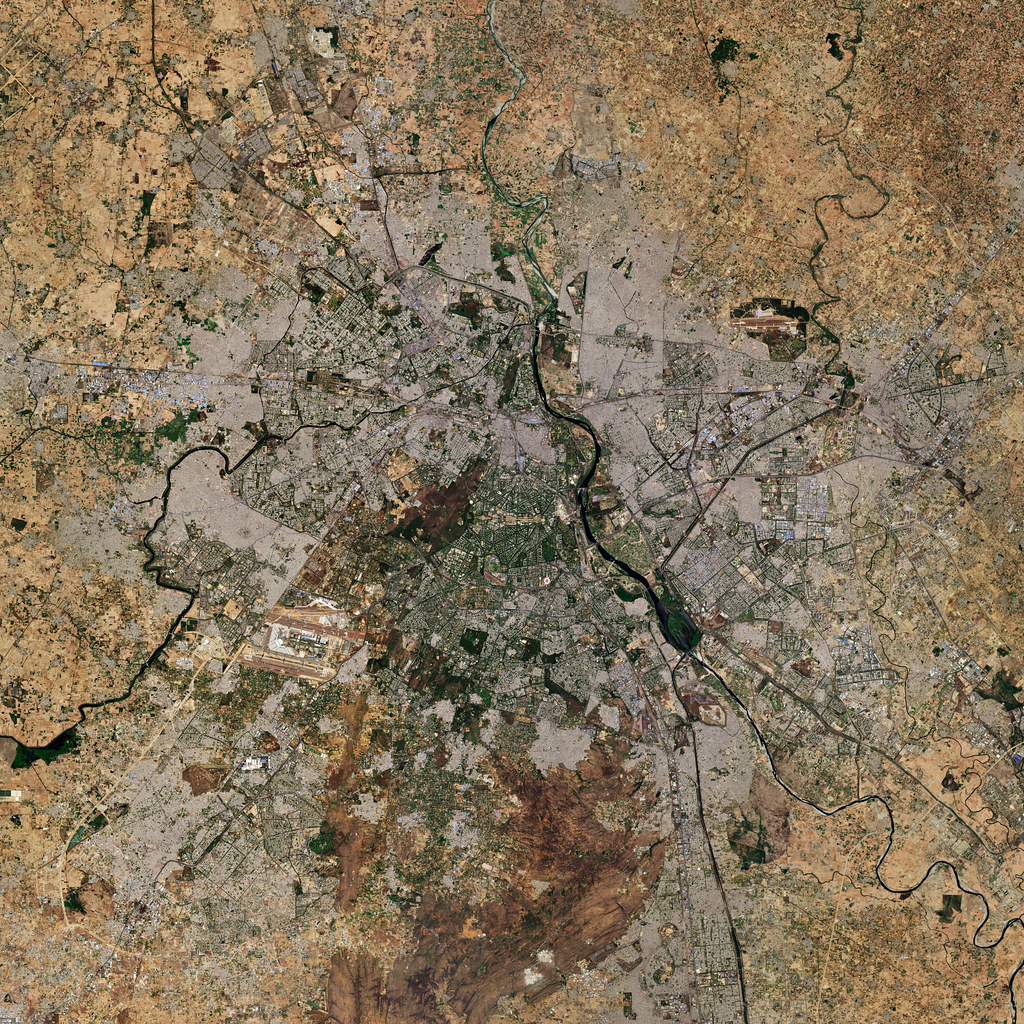
By europeanspaceagency via Openverse
Read the original
Related reading
Dubai Parks reopening: Best tips for a simple visit · Rising Fares This Festive Season: Smart Travel Tips · Bengal Airports Connectivity: A Clear Test for UDAN Scheme