Indravati Tiger Reserve: Is It the Best Wildlife Spot Now?
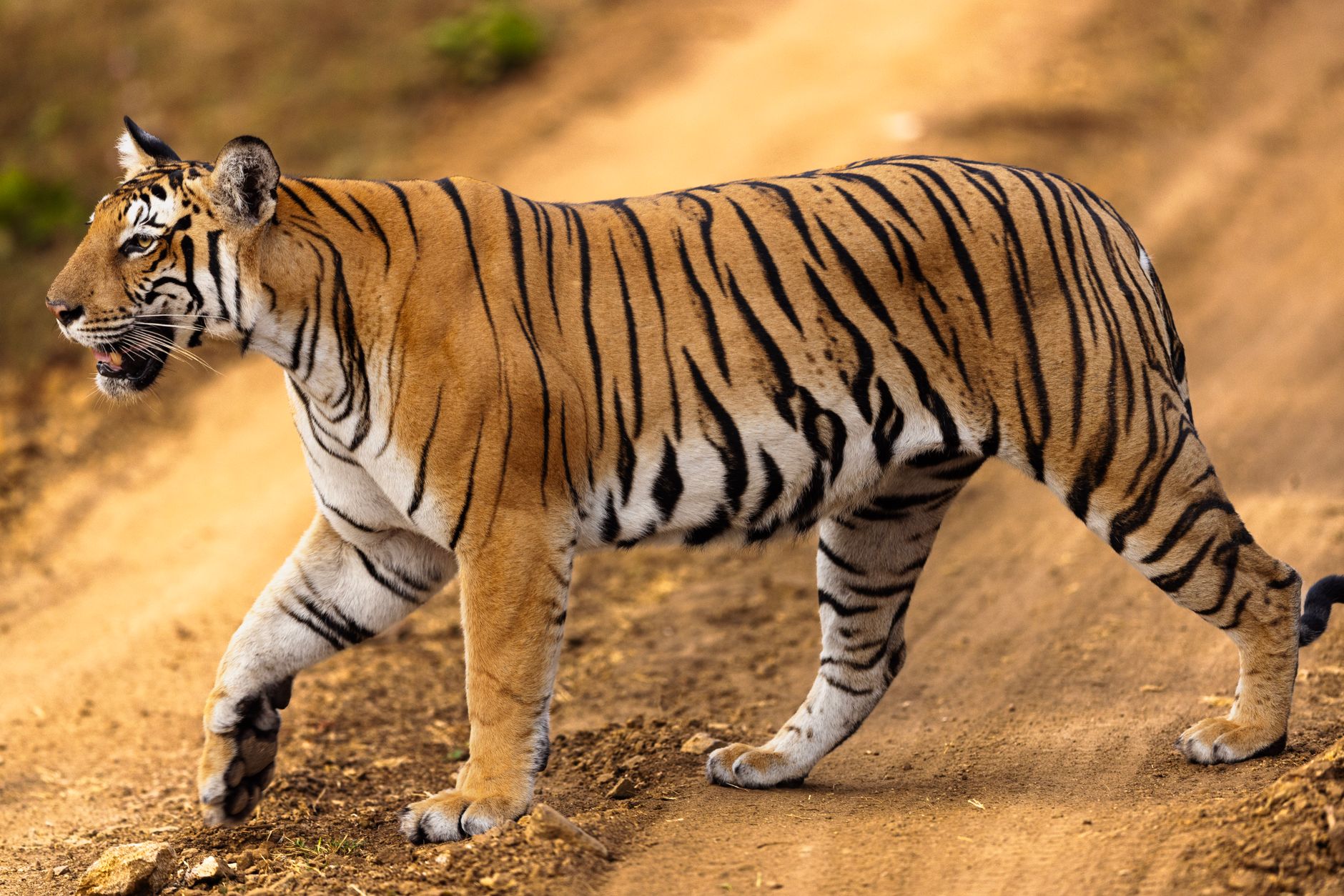
Indravati Tiger Reserve is set to reopen after 40 years, offering wildlife enthusiasts a chance to experience its rare wildlife sightings once again.
Overview of Indravati Tiger Reserve
The Indravati Tiger Reserve, located in the heart of Chhattisgarh, has gained significant attention due to its rich biodiversity and unique wildlife sightings. After being closed for 40 years, the reserve is set to reopen, bringing hope to wildlife enthusiasts and conservationists alike. This reopening is expected to revitalize tourism and provide a safe habitat for various endangered species.
The reserve spans over an impressive area of 2,200 square kilometers and is renowned for its lush forests, diverse flora, and fauna. It is home to several species, including:
- Bengal tigers
- Leopards
- Sloth bears
- Indian bison
Moreover, the Indravati River flows through the reserve, adding to its ecological significance and providing critical resources for the wildlife. The reopening is seen as an opportunity to boost conservation efforts and enhance ecological awareness among visitors. With its unique offerings, the Indravati Tiger Reserve is poised to become one of the top wildlife destinations in India, attracting tourists from around the world eager to witness its rare wildlife and breathtaking landscapes.
Wildlife Species to Spot
The Indravati Tiger Reserve is not only a haven for tigers but also a sanctuary for a diverse array of wildlife species. Visitors to the reserve can expect to encounter numerous fascinating animals, making it a prime destination for wildlife enthusiasts.
Some of the key species to spot in the Indravati Tiger Reserve include:
- Bengal Tiger: The star attraction of the reserve, the Bengal tiger is known for its majestic presence and elusive nature.
- Indian Leopard: Another big cat that roams these forests, the Indian leopard is often seen in the early mornings or late evenings.
- Sloth Bear: With its shaggy coat and distinctive snout, the sloth bear can be spotted foraging for insects and fruits.
- Indian Bison (Gaur): These massive herbivores are a common sight in the grassy meadows of the reserve.
- Wild Boar: Often seen in groups, wild boars are an essential part of the ecosystem.
- Various Bird Species: The reserve is home to a rich variety of avian life, including endangered species like the Lesser Adjutant Stork.
With its rich biodiversity, the Indravati Tiger Reserve stands out as one of the best wildlife spots, promising unforgettable experiences for nature lovers.
History of the Reserve
The Indravati Tiger Reserve has a rich and storied history that dates back several decades. Initially established as a wildlife sanctuary in 1981, it was designated as a tiger reserve in 2005, reflecting the importance of conserving the diverse fauna that inhabits the area. The reserve is located in the Dantewada district of Chhattisgarh, surrounded by picturesque landscapes and dense forests.
Historically, the region has been home to various indigenous tribes who have coexisted with its rich wildlife. Over the years, however, increasing human activities led to a decline in biodiversity and wildlife sightings. In response, conservation efforts gained momentum, aiming to restore the natural habitat and promote eco-tourism.
In the late 1980s, the reserve faced significant challenges, including poaching and habitat destruction. To combat these issues, the government initiated several programs focused on protecting the endangered species residing within its borders. As a result, the Indravati Tiger Reserve has witnessed a resurgence in its wildlife population, making it an attractive destination for nature enthusiasts.
Now, after being closed for nearly 40 years, the reserve is set to reopen, raising hopes for a new chapter in its conservation efforts and enhancing its status as a prime wildlife spot.
Visitor Information
The Indravati Tiger Reserve offers a unique experience for wildlife enthusiasts and nature lovers. As it prepares to reopen after 40 years, visitors can expect a range of amenities and activities designed to enhance their experience.
For those planning a visit, here are some key details to keep in mind:
- Best Time to Visit: The ideal time for exploring the reserve is between October and March, when the weather is pleasant and wildlife sightings are more frequent.
- Entry Fees: The entry fee for the reserve is nominal, making it accessible for all visitors. There may be additional charges for guided tours and safaris.
- Accommodation: Options range from budget lodges to mid-range hotels located near the reserve. Booking in advance is recommended, especially during peak tourist season.
- Guided Tours: Hiring a local guide is advisable for an enriched experience. They can offer insights into the flora and fauna of the Indravati Tiger Reserve.
- Travel Tips: Wear comfortable clothing, carry binoculars for bird watching, and don’t forget your camera to capture the stunning landscapes and wildlife.
With its diverse ecosystem and captivating wildlife, the Indravati Tiger Reserve is set to become a must-visit destination in India.
Conservation Efforts
The conservation efforts at Indravati Tiger Reserve have gained significant attention in recent years, especially as the reserve prepares to reopen after a lengthy closure. The dedicated initiatives aim to protect the unique biodiversity and enhance the habitats of various species within the reserve.
Several key strategies have been implemented to support the reserve’s ecosystem:
- Anti-Poaching Measures: Increased patrolling and surveillance have been established to combat poaching, which poses a significant threat to wildlife.
- Community Involvement: Local communities are actively engaged in conservation programs, empowering them to become stewards of their environment and helping to foster sustainable practices.
- Habitat Restoration: Efforts are underway to restore degraded areas within the reserve, promoting natural growth and increasing the availability of resources for the wildlife.
- Research and Monitoring: Continuous research studies are being conducted to monitor wildlife populations and their health, providing vital data for future conservation strategies.
These conservation efforts reflect a commitment to safeguarding the rich natural heritage of the Indravati Tiger Reserve, making it not only a vital refuge for endangered species but also a potential highlight for wildlife enthusiasts and researchers alike.
Best Time to Visit
The best time to visit Indravati Tiger Reserve is generally between the months of November and March. During this period, the weather is more pleasant, with cooler temperatures that make wildlife viewing more comfortable for visitors. The chances of spotting various species are significantly increased as animals are more active in search of food and water.
Additionally, the dry season, typically extending from February to May, is ideal for wildlife enthusiasts. As water sources dwindle, animals congregate around remaining waterholes, providing excellent opportunities for sightings. Visitors can expect to see:
- Bengal Tigers lurking in the dense foliage
- Indian Bison grazing in open grasslands
- Sloth Bears foraging for fruit
- Various species of deer, such as the Chital and Sambar
- Birdwatching opportunities with migratory and endemic species
However, it is advisable to plan visits in advance, as the reserve has limited accommodation and permits. As the Indravati Tiger Reserve reopens after decades, it promises an invigorating experience for wildlife lovers seeking adventure in nature.
Travel Tips for Tourists
Traveling to the Indravati Tiger Reserve can be an exhilarating experience, but it requires some planning to make the most of your visit. Here are some essential travel tips for tourists:
- Plan Ahead: Ensure that you check the park’s reopening status and book your accommodations in advance, as the reserve has limited lodging options.
- Best Time to Visit: The ideal months are between November and March, when the weather is pleasant and wildlife sightings are more frequent.
- Guided Tours: Consider hiring a local guide for a more enriching experience. Their knowledge about the flora and fauna can enhance your exploration of the reserve.
- Pack Wisely: Bring comfortable clothing, sturdy footwear, and binoculars for wildlife watching. A good camera is also recommended to capture the stunning scenery.
- Respect Wildlife: Maintain a safe distance from animals and follow park rules to ensure both your safety and the well-being of the wildlife.
- Sustainable Practices: Carry reusable water bottles and avoid single-use plastics to minimize your environmental impact during your visit.
By following these tips, tourists can enjoy a memorable journey into the heart of the Indravati Tiger Reserve and appreciate its unique wildlife treasures.
Photo by Raghavendra Narayan on Pexels