Restaurant Deep Cleaning Florida – Reliable Deep Cleaning Sanitation Services
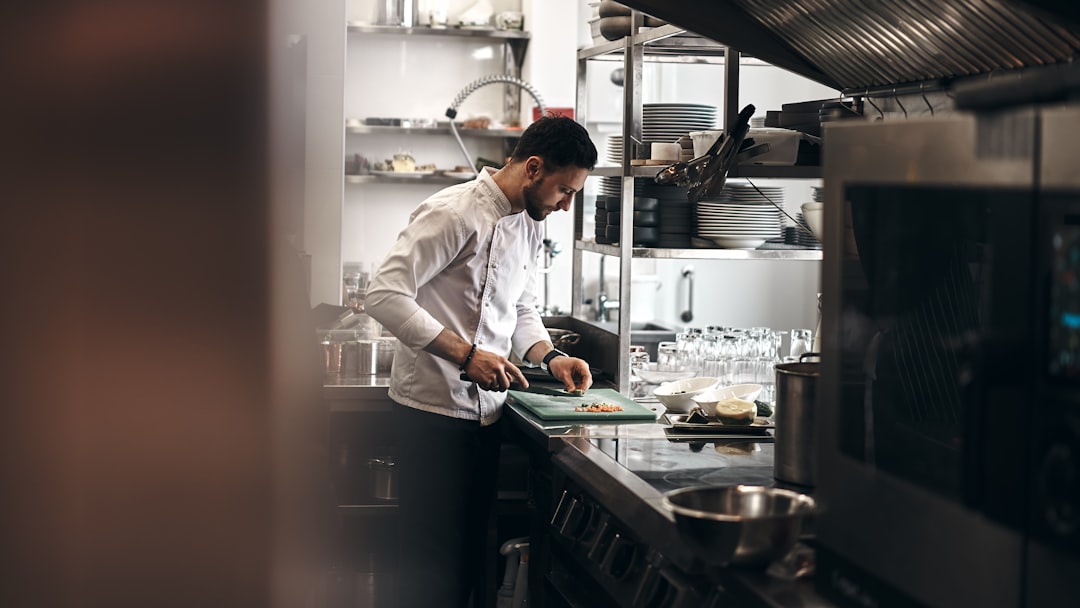
A clean restaurant environment is essential for maintaining safe food preparation, protecting customers, and creating a professional atmosphere. While regular cleaning helps manage daily mess and surface-level dirt, restaurants also require detailed deep cleaning to remove hidden grease, stubborn residue, and buildup from difficult areas. Professional Restaurant Deep Cleaning Florida services provide reliable cleaning and sanitation solutions designed to support healthier food operations and maintain high standards of cleanliness.
Restaurants experience continuous activity throughout the day. Kitchens, dining areas, storage spaces, and service areas are exposed to food particles, moisture, spills, and heavy use. Without proper deep cleaning, these areas can become challenging to maintain and may affect the overall condition of the facility.
A thorough cleaning approach helps restore freshness, improve sanitation, and support smooth restaurant operations.
Why Is Reliable Restaurant Deep Cleaning Important?
Restaurants have unique cleaning requirements because food preparation and customer service depend on a clean environment. Daily cleaning routines are necessary, but they often focus on visible areas and may not reach hidden spaces where buildup develops.
Grease can accumulate behind cooking equipment, around appliances, and on surfaces exposed to heat. Food particles may settle into corners, cracks, and hard-to-reach locations. Moisture can also contribute to residue buildup and create additional cleaning challenges.
Deep cleaning provides a more complete solution by addressing these overlooked areas. It helps remove unwanted buildup, improves hygiene, and creates a more comfortable workplace for employees.
A clean restaurant also leaves a positive impression on customers. Well-maintained spaces reflect professionalism and attention to detail.
What Areas Need Professional Restaurant Cleaning?
A restaurant contains many different areas that require detailed cleaning attention. Each section contributes to the overall cleanliness and safety of the facility.
Kitchen equipment is one of the most important areas. Ovens, grills, fryers, cooking surfaces, and other appliances collect grease and food residue during daily operations. Deep cleaning helps remove buildup and supports better equipment maintenance.
Food preparation areas require careful sanitation because they directly affect food handling. Countertops, preparation stations, and work surfaces should be cleaned thoroughly to maintain better conditions.
Floors and walls can collect spills, grease, and dirt over time. Professional cleaning helps restore these surfaces and makes routine maintenance easier.
Storage areas, refrigerators, shelves, and pantry spaces also require attention. These areas may collect dust, spills, and residue that are not always visible during normal cleaning.
Dining areas are equally important. Tables, seating areas, floors, and customer-facing spaces contribute to the overall restaurant experience.
How Does Professional Deep Cleaning Improve Sanitation?
Sanitation is a major priority in every restaurant. Clean surfaces and equipment help create a better environment for preparing and serving food.
Professional deep cleaning focuses on removing contaminants from areas that routine cleaning may overlook. By addressing grease, food residue, and hidden buildup, restaurants can maintain cleaner conditions.
A properly sanitized restaurant is easier to manage and maintain. When deep cleaning is performed regularly, daily cleaning tasks become more effective.
Better sanitation also supports employee confidence. Workers can perform their responsibilities in a cleaner and more organized environment.
What Is Included in a Restaurant Deep Cleaning Process?
A professional deep cleaning process begins with a careful evaluation of the restaurant. This allows cleaning specialists to identify areas that require special attention.
The preparation stage involves organizing the workspace and ensuring that surfaces and equipment are handled properly. Different materials require different cleaning methods to achieve effective results without causing damage.
The cleaning process focuses on removing grease, stains, food residue, and other buildup. Specialized techniques help address areas that are difficult to clean through regular methods.
After cleaning, sanitation procedures are completed to support a healthier environment. A final inspection ensures that important areas have received proper care.
This detailed process provides more complete results than everyday cleaning routines.
What Benefits Do Restaurants Receive From Deep Cleaning Services?
Professional deep cleaning offers many advantages for restaurant owners and managers. One of the biggest benefits is improved cleanliness. A thoroughly cleaned restaurant provides a better environment for food preparation and customer service.
Another benefit is improved appearance. Clean kitchens, dining spaces, and equipment create a more professional atmosphere.
Deep cleaning also helps protect valuable equipment. Grease and residue can affect performance over time. Removing buildup helps maintain equipment condition and supports longer use.
A cleaner workplace can improve employee efficiency. Organized spaces allow workers to complete tasks more comfortably and effectively.
Regular deep cleaning also helps prevent major buildup and reduces future maintenance challenges.
How Often Should Restaurants Schedule Deep Cleaning?
The frequency of deep cleaning depends on several factors, including restaurant size, cooking volume, equipment usage, and daily cleaning practices.
Restaurants with heavy customer traffic and high cooking activity may need more frequent deep cleaning because they experience greater grease and residue accumulation.
Smaller restaurants may require less frequent cleaning but still benefit from scheduled professional attention.
A consistent cleaning schedule helps maintain better conditions throughout the year. Combining daily cleaning with periodic deep cleaning creates a stronger sanitation plan.
Why Is Grease Removal Necessary for Restaurants?
Grease is one of the most common cleaning challenges in restaurant kitchens. Cooking activities naturally create grease that spreads across equipment, walls, floors, and nearby surfaces.
If grease is not removed properly, it can become difficult to clean and may affect the overall appearance of the kitchen. Heavy grease buildup can also create unpleasant odors and make routine maintenance harder.
Professional deep cleaning focuses on effective grease removal to restore cleaner surfaces and improve kitchen conditions.
Removing grease regularly supports better hygiene and helps maintain a more efficient food preparation environment.
Which Restaurants Benefit From Professional Deep Cleaning?
Many types of restaurants benefit from professional cleaning and sanitation services. Full-service restaurants, cafés, bakeries, catering facilities, fast-service locations, and other food businesses require consistent cleaning support.
Large restaurants often need detailed cleaning because they operate with extensive equipment and high levels of activity.
Smaller restaurants also benefit because proper cleaning helps maintain organization and customer satisfaction.
Any restaurant involved in preparing and serving food can improve its environment through professional deep cleaning.
How Can Restaurants Maintain Cleanliness Between Cleaning Services?
Daily maintenance is important for keeping a restaurant clean between professional deep cleaning sessions. Employees should follow proper cleaning procedures and address spills quickly.
Cooking equipment should receive regular attention to prevent grease buildup. Preparation areas should remain organized and free from unnecessary residue.
Storage spaces should be checked frequently to prevent clutter and buildup.
Combining daily cleaning habits with scheduled deep cleaning helps maintain a consistently clean restaurant environment.
Why Choose Professional Restaurant Cleaning Services?
Restaurant cleaning requires proper knowledge, experience, and attention to detail. Professional cleaning services understand the challenges of food service environments and provide solutions designed for effective results.
Incorrect cleaning methods may leave behind hidden residue or damage certain surfaces. Professional approaches help ensure more thorough cleaning while protecting important areas.
Experienced cleaning teams focus on quality work, efficient processes, and reducing disruption to normal restaurant activities.
A reliable cleaning solution helps restaurants maintain better sanitation while continuing daily operations.
Can Deep Cleaning Improve Restaurant Operations?
A clean restaurant supports smoother daily operations. When kitchens and service areas are properly maintained, employees can work more efficiently.
Removing buildup from equipment and surfaces helps improve functionality and reduces unnecessary maintenance concerns.
Deep cleaning supports overall restaurant success by improving cleanliness, organization, and workplace conditions.
What Should Restaurant Owners Consider Before Scheduling Deep Cleaning?
Before arranging a deep cleaning service, restaurant owners should consider the size of the facility, current cleaning challenges, and operational schedule.
A proper assessment helps determine which areas require the most attention. Planning the service at a suitable time can reduce interruptions.
Professional cleaning guidance ensures that the process matches the specific needs of the restaurant.
Conclusion
Restaurants require strong cleaning practices to maintain safe food operations and provide positive experiences for customers. Daily cleaning handles routine tasks, but deep cleaning provides the detailed care needed to remove stubborn grease, residue, and hidden buildup.
Restaurant Deep Cleaning Florida helps restaurants improve sanitation, protect equipment, and maintain cleaner environments. With professional cleaning methods and regular maintenance, food service facilities can continue operating efficiently while supporting safer and healthier dining experiences.