What is the Worst Dubai-Jaipur Flight Incident You Should Know?
The Dubai-Jaipur flight incident highlights serious safety issues when a passenger attempted to open the emergency exit mid-flight. This alarming event was swiftly addressed by the crew, ensuring the safety of all onboard.
Overview of the Incident
On a recent flight from Dubai to Jaipur, an alarming incident unfolded that has drawn significant attention. A passenger aboard the Dubai-Jaipur flight created a disturbance when he attempted to open the emergency exit during the flight. This reckless behavior prompted immediate action from the flight crew, who intervened to prevent a potentially disastrous situation.
The incident occurred shortly after takeoff, causing panic among fellow passengers. Witnesses reported that the man appeared agitated and was yelling incoherently before making his move towards the emergency exit. Thanks to the swift response of a crew member, who managed to subdue the individual, the situation was brought under control without any physical harm to passengers or crew.
Following the incident, the flight continued to its destination, with heightened security and vigilance implemented for the remainder of the journey. Authorities have stated that such behavior poses a severe risk not only to those on board but also to the overall safety of air travel.
The Dubai-Jaipur flight incident serves as a reminder of the importance of maintaining order in confined spaces like airplanes, where any disturbance can escalate quickly. Passengers are urged to remain calm and report any suspicious activities to the crew without hesitation.
Passenger’s Actions Explained
During the recent Dubai-Jaipur flight incident, the actions of a passenger raised serious safety concerns among the crew and other travelers. Reports indicate that the individual, whose identity has not been disclosed, attempted to open an emergency exit mid-flight. This alarming behavior prompted immediate intervention from the flight crew.
Witnesses described the scene as chaotic, with the passenger reportedly becoming increasingly agitated. Flight attendants quickly assessed the situation and confronted the individual, who was later restrained to prevent any further actions that could jeopardize the safety of everyone aboard. The crew’s swift response played a crucial role in averting a potential disaster.
It is essential to note the importance of adhering to airline safety regulations, especially regarding emergency exits. The incident serves as a reminder of the critical role that crew members play in ensuring passenger safety. In addition to the immediate threat posed by the passenger’s actions, the event has sparked discussions about the need for enhanced security measures on flights.
- Passenger’s behavior: Attempts to open emergency exit.
- Crew response: Swift intervention and restraint.
- Safety implications: Highlighting the importance of compliance with regulations.
Crew Response and Safety Protocols
In response to the chaotic situation on the Dubai-Jaipur flight, the crew demonstrated commendable professionalism and adherence to safety protocols. Upon noticing the passenger’s erratic behavior, specifically his attempt to open the emergency exit, the cabin crew swiftly intervened to ensure the safety of all onboard.
The crew member who first approached the individual acted decisively, employing de-escalation techniques to address the passenger’s actions while simultaneously ensuring that other passengers remained calm. This quick response was critical in preventing a potential disaster during the flight.
As per standard operating procedures, the crew communicated with the flight deck to inform the pilots of the situation. This allowed the captain to assess the need for any immediate changes to the flight path or altitude, should the situation escalate further. In addition, the crew utilized their training to secure the emergency exit and monitor the passenger closely.
The airline’s commitment to safety was evident in their swift execution of emergency protocols. Post-incident, all passengers were kept informed about the situation, reinforcing a sense of security among those traveling on the Dubai-Jaipur flight. Such incidents highlight the importance of having well-trained crew members who can manage crises effectively and maintain passenger safety.
Impact on Flight Schedule
The recent Dubai-Jaipur flight incident has notably affected flight schedules, prompting an immediate review of security protocols and passenger management on board. Following the disruptive behavior of a passenger attempting to open the emergency exit, airlines operating in this region are reassessing their procedures to ensure such incidents do not recur.
As a result, several flights in and out of Dubai and Jaipur experienced delays. Passengers were informed of the situation, leading to a ripple effect that caused rescheduling for many travelers. Airline officials are working diligently to minimize the impact on their operations while ensuring the safety of all passengers.
In response to the incident, airlines have increased communication with airport authorities to monitor and assess any potential threats. Enhanced pre-flight briefings are also being implemented to remind passengers of safety regulations and the serious consequences of disruptive behavior.
Furthermore, the incident has sparked discussions about the necessity of additional training for crew members in conflict resolution and emergency management. The goal is to equip staff with the tools required to handle similar situations more effectively in the future.
As the incident has gained media attention, it serves as a reminder of the importance of maintaining order and safety in aviation, especially on routes like the Dubai-Jaipur flight.
Passenger Rights During Incidents
In the wake of the recent Dubai-Jaipur flight incident, it is essential for passengers to understand their rights during such occurrences. Air travel can sometimes be unpredictable, and incidents may arise that affect the safety and comfort of everyone on board.
Passengers have specific rights that are often outlined by international aviation regulations. These rights include:
- Right to Safety: Passengers are entitled to a safe environment during their flight. Airlines must adhere to strict safety protocols to ensure the well-being of all travelers.
- Right to Information: In the event of an incident, such as the one on the Dubai-Jaipur flight, passengers have the right to receive timely information about what is happening, including updates on flight status and safety measures.
- Right to Compensation: Depending on the circumstances of the incident, passengers may be eligible for compensation, especially if flight delays or cancellations occur as a result.
- Right to Assistance: Airlines are obligated to provide assistance to affected passengers, which can include accommodation, meals, and transportation in case of significant delays.
Understanding these rights can help passengers navigate the aftermath of incidents like the recent Dubai-Jaipur flight incident more effectively.
Airline Policies on Disruptive Behavior
Airlines maintain strict policies regarding disruptive behavior, particularly in light of incidents such as the recent Dubai-Jaipur flight incident. Such policies are designed to ensure the safety and comfort of all passengers and crew members onboard.
Typically, airline regulations categorize disruptive behavior as any action that compromises the safety or well-being of others. This can include:
- Attempts to interfere with crew duties, such as trying to open emergency exits.
- Consuming excessive alcohol or engaging in violent behavior.
- Using offensive language or making threats towards other passengers or crew.
When a passenger exhibits such behavior, flight crews are trained to act swiftly and decisively. They may issue verbal warnings, employ de-escalation techniques, or, in severe cases, restrain the individual. Legal repercussions can also follow, including fines or criminal charges, depending on the severity of the actions.
Airline policies are reinforced by international aviation regulations, which prioritize passenger safety. Passengers are encouraged to report any disruptive behavior to the crew immediately. Such measures aim to prevent incidents like the Dubai-Jaipur flight incident from escalating, ensuring a secure flying environment for everyone involved.
Safety Measures for Future Flights
In light of the recent Dubai-Jaipur flight incident, airlines are reviewing and enhancing their safety measures to prevent similar occurrences in the future. The incident, which involved a passenger attempting to open an emergency exit, has prompted a thorough assessment of current protocols.
Airlines are focusing on several key areas to improve passenger safety:
- Pre-flight Briefings: Enhanced training sessions for crew members will emphasize de-escalation techniques and managing disruptive behavior effectively.
- Passenger Education: Informative materials will be provided to passengers, detailing the importance of adhering to safety protocols and the consequences of non-compliance.
- Technological Integration: Implementation of advanced monitoring systems in the cabin to swiftly identify potential threats or unusual behavior among passengers.
- Emergency Preparedness: Regular drills for crew members to ensure they are well-prepared to handle emergencies, including passenger disturbances.
- Collaboration with Authorities: Strengthening partnerships with security agencies to ensure a rapid response to incidents that may threaten flight safety.
These measures aim to bolster confidence in air travel and ensure the safety of all passengers. As the industry learns from the Dubai-Jaipur flight incident, ongoing vigilance and proactive strategies will be essential in maintaining high safety standards.
The Dubai-Jaipur flight incident that shocked many travelers occurred in 2018, when a technical failure forced an emergency landing. Investigating the Dubai-Jaipur flight incident revealed several safety concerns that prompted authorities to take immediate action.
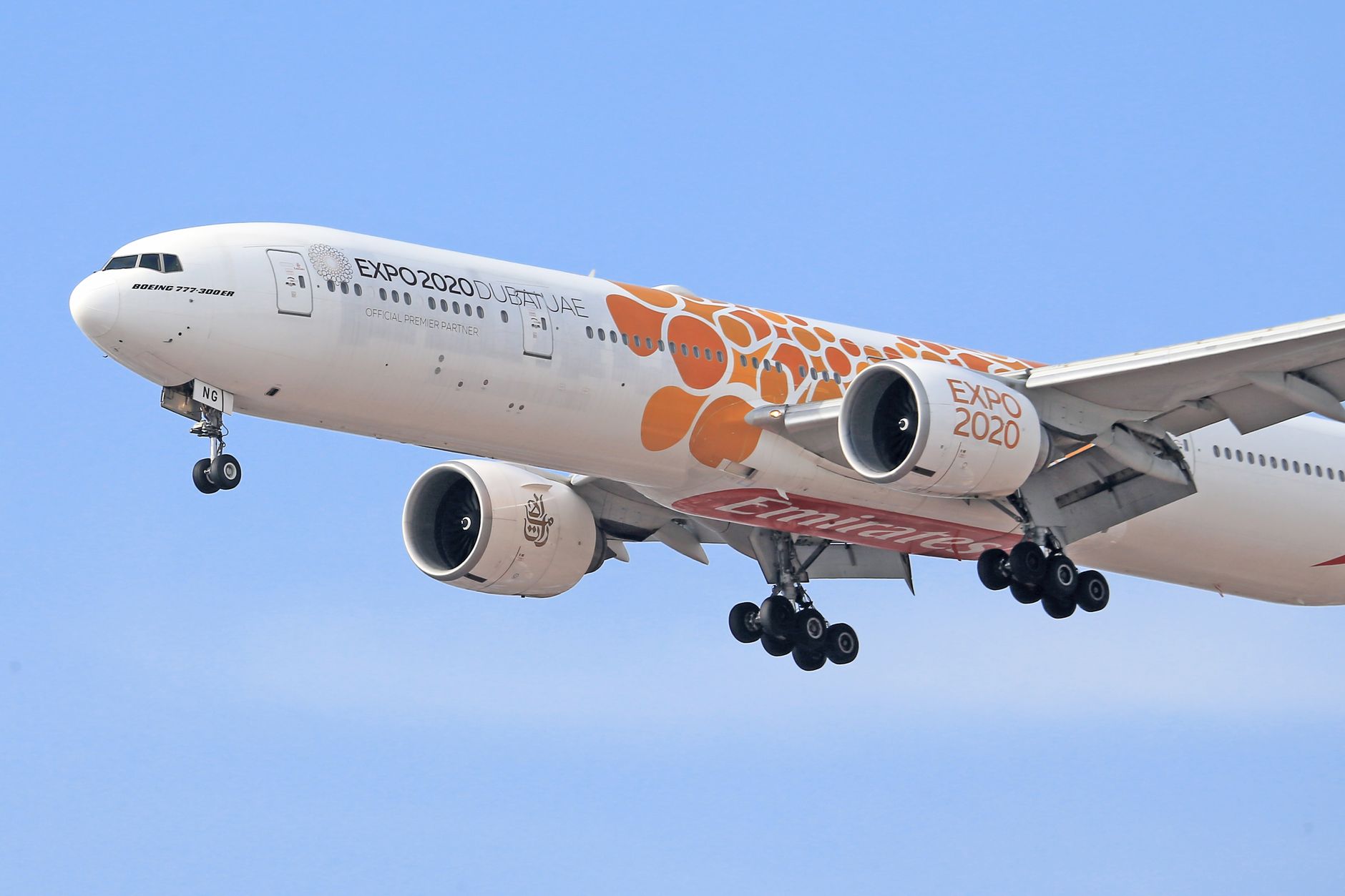
Photo by Jeffry Surianto on Pexels