TSA Airport Security Program: Easy Access for Non-Flyers

The TSA airport security program is a new initiative allowing non-flyers to pass through airport security. This innovative approach aims to improve the experience for travelers and their families.
What is the TSA Airport Security Program?
The TSA Airport Security Program is a newly introduced initiative aimed at enhancing airport access for non-flyers. This program allows individuals who are not traveling by air to pass through security checkpoints, enabling them to accompany friends or family members to their gates.
Under the TSA Airport Security Program, non-flyers must apply for a special clearance that permits them to enter secure areas of the airport. This initiative is designed to foster a more inclusive atmosphere at airports, allowing loved ones to share in the airport experience, whether it be for a send-off or a welcome home.
To participate, non-flyers will need to provide:
- A valid government-issued photo ID
- Completion of a security screening process
- Advance registration through the airport’s website
As the program rolls out, airports will likely see an increase in foot traffic, benefiting retail and dining establishments located within terminal areas. The TSA aims to make travel more accessible while maintaining high security standards.
Benefits for Non-Flyers
The new TSA airport security program offers a range of benefits specifically designed for non-flyers. This initiative allows individuals who are not traveling to access secure areas of the airport, enhancing their overall experience.
- Convenience for Travelers: Friends and family can now accompany passengers through security, providing support and reducing anxiety before flights.
- Enhanced Airport Experience: Non-flyers can enjoy airport amenities, such as shopping and dining, without the need for a boarding pass.
- Time-Saving: By allowing non-flyers to pass through security, this program minimizes the time spent saying goodbye at the terminal entrance.
- Increased Accessibility: This program makes airports more accessible for those who may have mobility issues or difficulties navigating without assistance.
- Strengthened Security: With non-flyers undergoing TSA screening, overall airport security is enhanced, ensuring a safer environment for everyone.
Overall, the TSA airport security program represents a significant shift towards inclusivity, making air travel a more enjoyable experience for all.
How to Navigate Airport Security
Navigating airport security has traditionally been a process reserved for passengers, but the new TSA airport security program opens up opportunities for non-flyers. Here are some key steps to ensure a smooth experience:
- Check Eligibility: Before heading to the airport, confirm that you meet the criteria for the TSA airport security program. This may include specific identification requirements.
- Prepare Required Documents: Bring valid identification, such as a government-issued ID, and any necessary documentation that demonstrates your purpose for passing through security.
- Arrive Early: To avoid any potential delays, plan to arrive at the airport well ahead of time. This allows for adequate time to navigate security protocols.
- Follow Security Procedures: Adhere to the same security measures as travelers. Be prepared to remove shoes, belts, and any items from your pockets, and place them in designated bins.
- Stay Informed: Keep up to date with any changes to the TSA airport security program by checking official announcements or the TSA website.
By following these guidelines, non-flyers can ensure a hassle-free experience while accompanying loved ones at the airport.
TSA’s New Initiatives Explained
The TSA airport security program has introduced several new initiatives aimed at enhancing the airport experience for non-flyers. These initiatives are designed to streamline the security process and allow friends and family members to accompany travelers to their gates, which was previously restricted.
One of the key components of this program is the implementation of a designated access lane for non-flyers. This lane enables individuals who are not boarding a flight to pass through security screening efficiently while ensuring compliance with safety regulations. Additionally, the TSA has increased its staff training to assist non-flyers in navigating the security checkpoints smoothly.
Another significant change is the introduction of a pre-registration system. Non-flyers must register in advance to access the airport security area, which helps manage the flow of people and enhances overall security measures. The TSA emphasizes that this program is part of its ongoing commitment to improving airport security while accommodating the needs of passengers and their loved ones.
These initiatives reflect the TSA’s dedication to evolving its airport security program in response to the changing dynamics of travel.
Impact on Family Travelers
The recent implementation of the TSA airport security program has significant implications for family travelers. With the ability for non-flyers to pass through security checkpoints, families can now enjoy a more cohesive travel experience. This change allows parents to accompany their children to the gate, providing support and comfort before boarding a flight.
Many families often face the challenge of separating from their loved ones at security, leading to stress and anxiety for both parents and children. The TSA’s new initiative addresses these concerns by allowing family members to stay together, thus enhancing emotional well-being during travel.
Moreover, this program makes it easier for family members to assist with luggage, strollers, and other travel necessities. The following points highlight the positive effects of this change:
- Improved emotional support: Family members can provide reassurance to young travelers.
- Assistance with belongings: Non-flyers can help manage luggage and other items.
- Enhanced experience: Families can share in the excitement of travel from the start.
Overall, the TSA airport security program significantly benefits families, ensuring smoother journeys and cherished memories.
Security Measures in Place
The TSA airport security program has implemented several security measures to ensure the safety of all individuals within airport premises, including non-flyers. These measures are designed to create a secure environment while allowing guests to accompany travelers to their gates.
Key security measures include:
- Identification Verification: All non-flyers must present valid identification at designated checkpoints to ensure they are authorized to enter secure areas of the airport.
- Screening Procedures: Non-flyers will undergo similar screening as passengers, which may include metal detectors and bag checks to prevent any prohibited items from entering the secured zones.
- Designated Access Areas: Specific areas within the airport will be allocated for non-flyers, allowing them to bond with travelers while maintaining a controlled environment.
- Trained Personnel: TSA personnel will be present to guide and assist non-flyers throughout the security process, ensuring a smooth experience.
These comprehensive measures aim to enhance security while providing a welcoming atmosphere for families and friends at the airport.
Future of Airport Security Programs
The future of airport security programs, particularly the TSA airport security program, holds promise for improving the flying experience for everyone, not just passengers. As travel demand increases, the TSA is focusing on innovative solutions to streamline processes while maintaining safety and security.
One significant development is the integration of technology to enhance security measures. This includes the use of advanced screening equipment and biometric verification systems that can expedite the security process for both flyers and non-flyers.
Additionally, the TSA is exploring partnerships with various stakeholders, including airlines and airport authorities, to create a more seamless experience for those accompanying travelers to the gate. These collaborations aim to reduce congestion and ensure that non-flyers can access areas of the airport without compromising security.
Furthermore, ongoing feedback from travelers will play a crucial role in the evolution of these programs. As the TSA continually evaluates and adjusts its practices, the agency remains committed to balancing convenience with safety, ultimately enhancing the travel experience for all airport visitors.
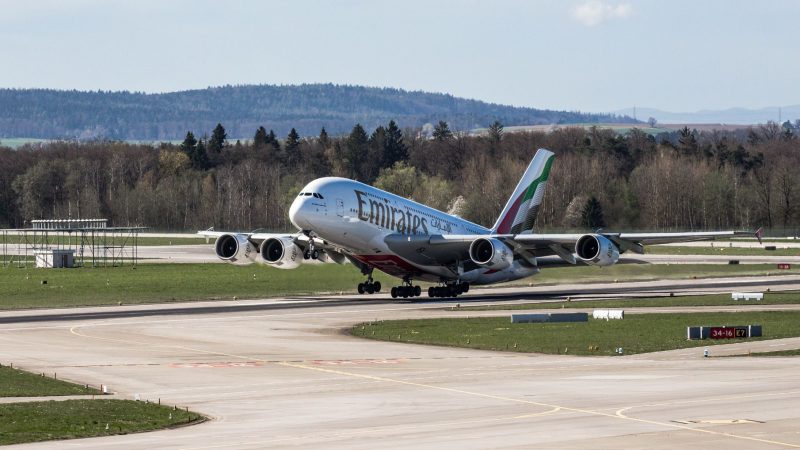
Photo by DΛVΞ GΛRCIΛ on Pexels